I’ve just caught up on my Dreamspaces and been confronted with a conundrum. In a piece about brutalist architecture, they featured the Tricorn centre in Portsmouth. Here’s a picture of the building in question:
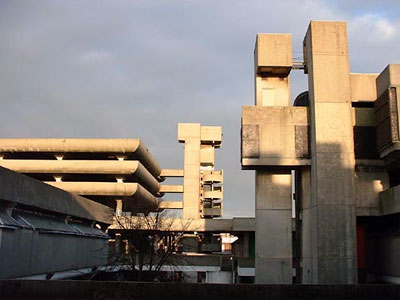
Now, this building hasn’t had the most illustrious of histories. It was built in 1966, given an award in 1967 and voted Britain’s fourth ugliest building in 1968. It is generally reviled by the public and will not be protected by government by being listed. But when the architect – Rodney Gordon – is asked about the general distaste towards his building, he replies:
“Well I’m very surprised. A lot of people liked the building. One thing I do find is that any piece of architecture worth being called architecture is usually both hated and loved. If people don’t notice it, it’s not architecture.”
That last phrase seems extraordinary to me – stunning in its arrogance and audacity and completely in opposition to most of the understandings of design and architecture that I’ve accumulated over the last ten years. That kind of ostentatious statement of impact above function was given up within the first ten years of web design. What Gordon is talking about is the construction of follies – buildings with little or no function but to inspire and awe. Unworkable spaces, unusable spaces. We have them on the web too – sometimes even intentionally – either as art or design showcases or as image-based impactful press prelease or advertising spaces. But this is different. This is a site – a space – designed for shopping and socialising that wants desperately to be innovative and impressive – the architect all the while dismissing the subtle and less overt arts of flows and usability, building things that are not scaled for humans or comprehensible to them. All the things that allow a place to be understood by people are dismissed as unworthy of the name of architecture. And why – because the building must be noticed… It’s stunning. It’s terrible. And I’m fairly sure it’s wrong.
If you’re interested in the Tricorn:


